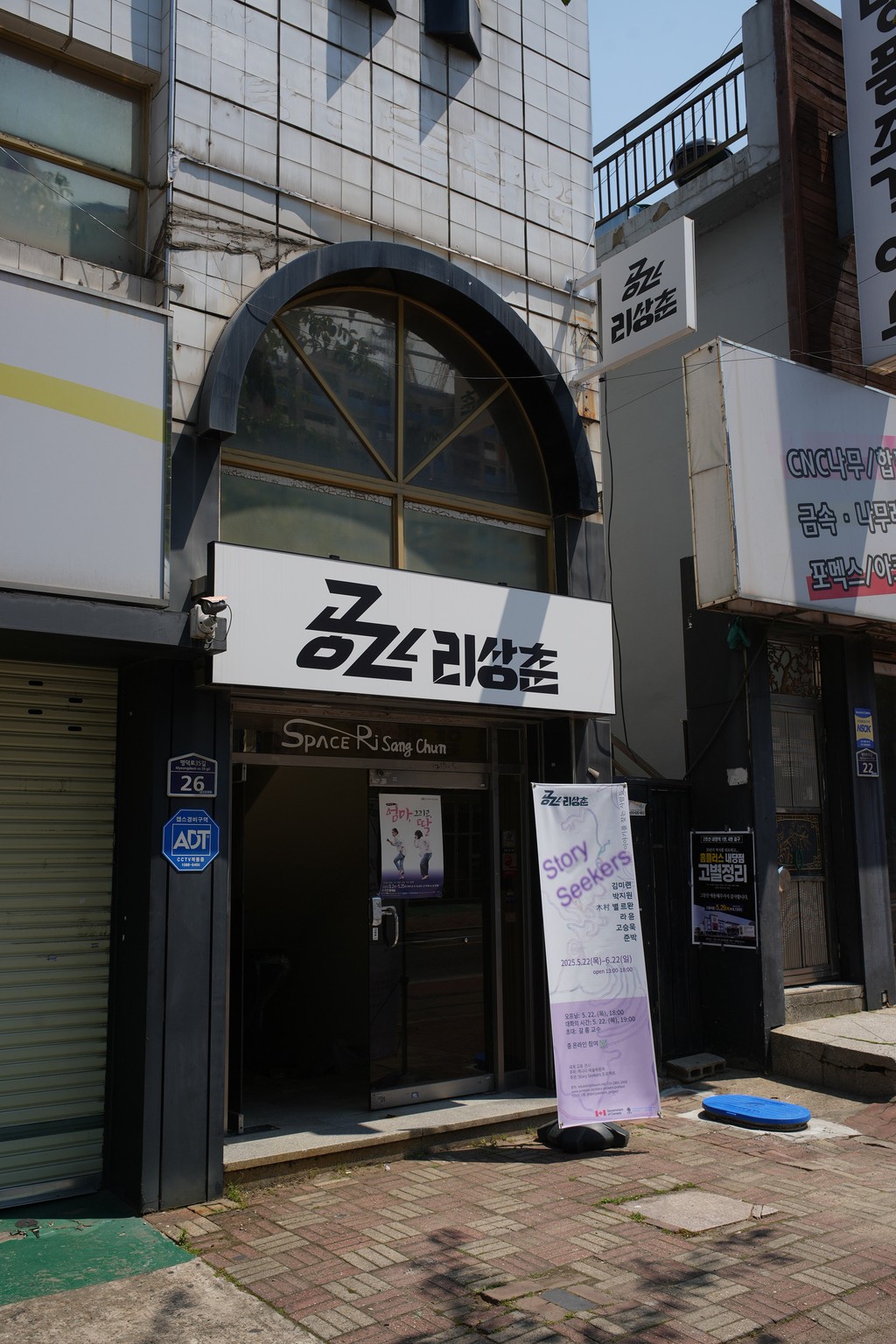
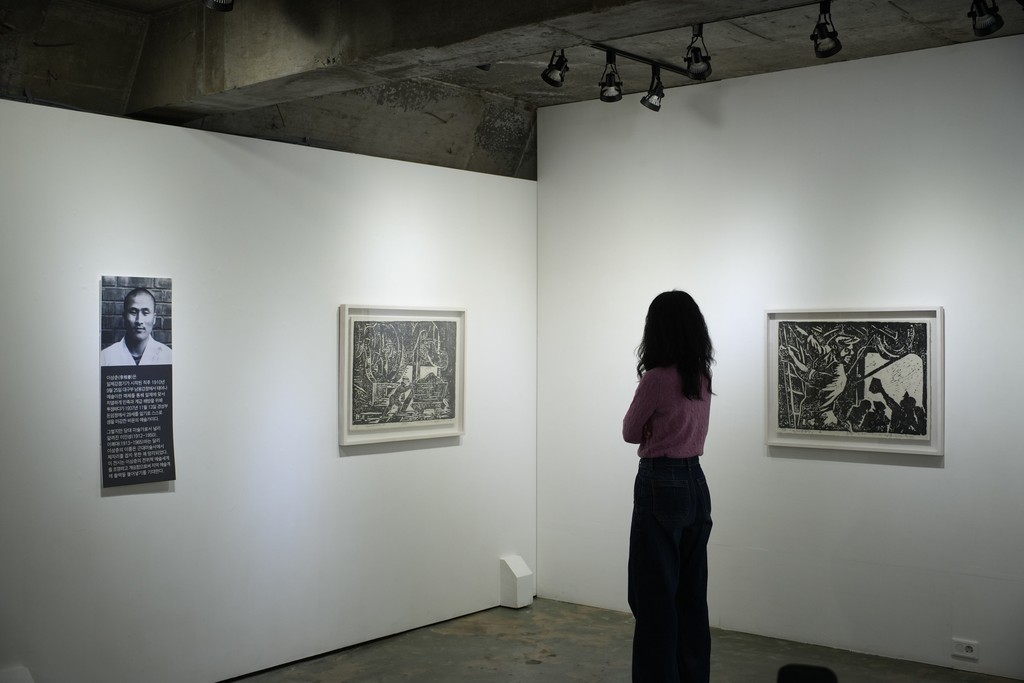
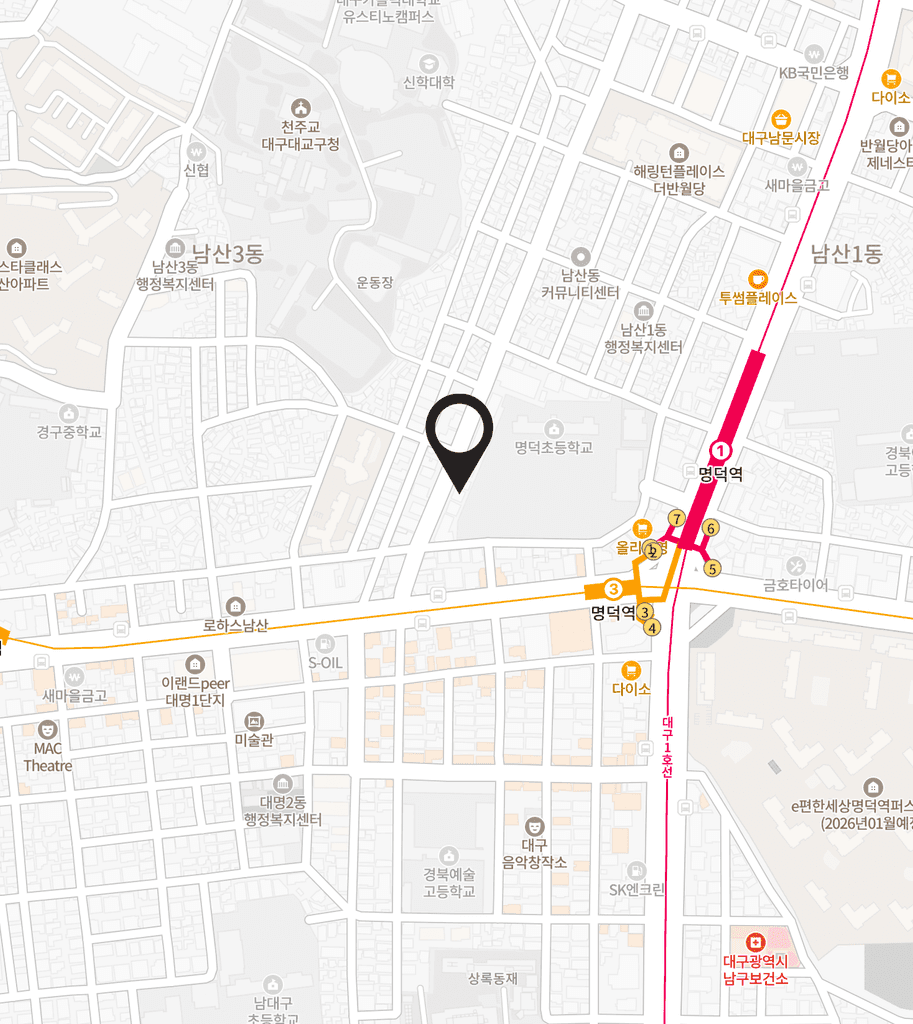
On March 1, 2025, SPACE Ri Sangchun opened as a multiple (study, education, exhibition, criticism) space for contemporary art at 26 Namsan-dong, Jung-gu, Daegu (2nd floor). SPACE Ri Sangchun has been established to inherit the avant-garde artistic spirit of Ri Sangchun (1910-1937), an artist from Daegu who fought for national independence and the liberation of workers and peasants through avant-garde art forms during the Japanese colonial period and died at the age of 27 after suffering repeated imprisonment due to Japanese repression. The SPACE is an alternative cultural and artistic space jointly formed by RICA (Ri Sangchun Institute of Contemporary Art) and Local Post, two organizations that have been leading Daegu's contemporary art scene since the 2010s by addressing critical local issues.
In the context of the art historical transition from modern art to contemporary art, the ‘hyundai misul’ that SPACE Ri Sangchun aims for refers to contemporary art that rejects the formalistic modernism of the former and deals with local issues conceptually and activistically through appropriate media and forms, and has evolved based on the conceptualism that led this transition. In this vein, RICA’s recent exhibitions have addressed local ecological issues (Palhyeon Wetland on the Kumho River), gender conflicts (Daegu Queer Culture Festival), religious and cultural conflicts (Daehyeon-dong Mosque), institutional critique (Lee Insung Art Prize), and democracy issues (Park Chung-hee Bronze Statue), while Local Post has focused on such critical local issues as the Sampyeong-ri Transmission Tower in Cheongdo, Seongju SAAD, Dongin Apartment Redevelopment, and Gumi Optical.
Based on research and discussion on contemporary art, the SPACE runs various contemporary art education programs for local young artists and citizens, holds timely special exhibitions in response to current global and local issues, and develops a space for criticism. The SPACE activates not just installation projects, but especially those projects that intervene in streets, squares, everyday and public spaces, in order to communicate directly with citizens, and exhibits them in a way that focuses on the process and outcome of those projects, seeking to transform the region. Thus, the SPACE aims to function as a base for the development of contemporary art in the region, building a network of artists from different regions of the country as well as internationally.